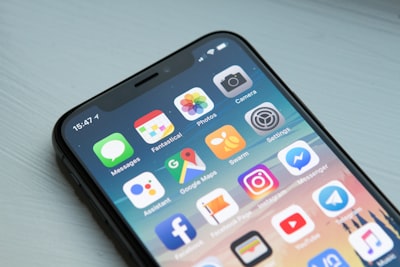
We break down the pros and cons of eSIMs vs physical SIM cards to help you decide which option saves you more time and money on your next trip.
When you land in a new country, your first instinct might be to find the nearest phone shop and buy a local SIM card. It worked for years. But in 2026, eSIM technology has matured to the point where it's almost always the smarter, faster, and more flexible choice.
The case for a local SIM card
Local SIM cards still have one clear advantage: price. In budget-friendly countries like Vietnam, Indonesia, or Morocco, you can pick up a SIM with 20GB of data for $3-5 at the airport. If you're staying in a single country for a month or more, this is hard to beat.
They're also useful if your device is older and doesn't support eSIM — though that market is shrinking fast, with virtually every flagship phone released after 2020 supporting eSIM.
The case for eSIM
The convenience gap is enormous. With an eSIM, you skip the SIM shop queue entirely. You purchase before your trip, the QR code arrives in your email within minutes, and you're connected the moment you land. No swapping cards, no worrying about losing your home SIM.
eSIMs also shine on multi-country trips. Switching between plans is instant — just tap in Settings. And your device's dual-SIM capability means you can keep your home number active for calls while using your travel eSIM for data.
Our verdict
For most travelers — especially those visiting multiple countries or valuing time — eSIM wins decisively. The convenience premium is worth it, and prices have dropped significantly over the past two years.